
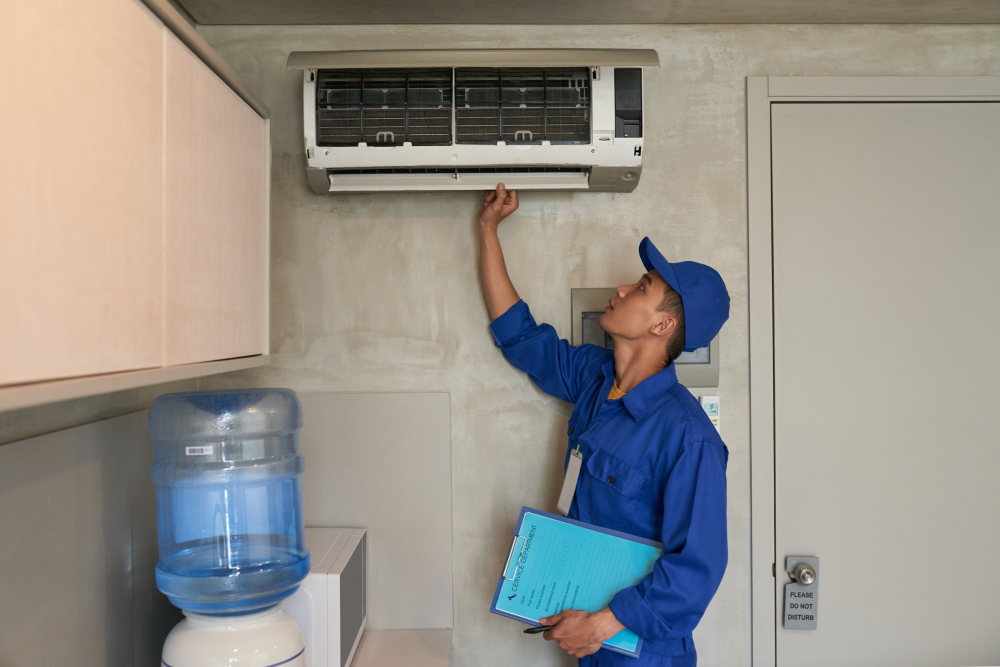
The cost of a new air-conditioning system in Miami depends on a handful of things: property size, system capacity, equipment efficiency and how much installation work is actually involved. If you’re asking how much does AC installation cost in Miami, there’s no single price tag that fits every property. A straightforward replacement usually costs less than a new installation that needs extra ductwork or electrical upgrades.
The most reliable way to get a real number is to have the property inspected and get a written estimate covering equipment, labor and any additional work.
How much does AC installation cost in Miami?
In Miami, a residential central AC installation may commonly cost approximately $5,000 to $15,000 or more, depending on system size, efficiency, property requirements, and installation complexity.
Commercial HVAC installation costs vary much more widely based on the equipment, building, system requirements, and overall project scope. Because of those variables, a site assessment is needed to develop a meaningful estimate for a commercial property.
For either type of property, the most reliable way to determine the actual cost is to have the system and installation requirements evaluated and receive a detailed written estimate. At Cool-Breeze Air Conditioning, qualifying residential and commercial customers can also explore available financing options.
What factors affect the cost of a new AC system?
Several things can move the AC installation cost, including-
- Property size and layout
- Required cooling capacity
- Equipment efficiency
- System type
- Ductwork condition
- Electrical requirements
- Old equipment removal
- Installation location
- Warranty coverage
- Labor requirements
The right system isn’t necessarily the biggest or the most expensive one on the list. Equipment should match what the property actually needs not what sounds impressive on paper.
Does AC size affect installation cost?
Yes, system size affects both equipment and installation costs. But going bigger isn’t automatically the better move.
An undersized system struggles to keep up once Miami’s heat really kicks in. An oversized one cycles on and off too often and can leave indoor humidity poorly controlled.
A professional assessment is what tells you the right capacity for your space. The contractor should look at the property’s size, layout, insulation, and other details before recommending equipment.
Does higher efficiency make an AC system more expensive?
Usually, yes, higher-efficiency equipment costs more upfront, but it can use less electricity over its working life. That trade-off is worth thinking about in Miami, where the AC tends to run a lot.
When comparing AC installation cost, don’t just look at the sticker price. Factor in expected energy use, how long the equipment should last, and what you’re actually getting for the extra money.
Is replacing an old AC cheaper than installing a new system?
Replacing an existing AC can be cheaper when the current ductwork, electrical connections and other components already work with the new equipment.
That said, older systems sometimes reveal problems once you start replacing them. Damaged ductwork, outdated electrical components, or tricky equipment access can all push the total cost up.
At Cool-Breeze Air Conditioning, property owners can talk through their existing system and find out what’s actually needed before committing to a replacement.
Can ductwork increase AC installation costs?
Yes. Ductwork can raise the AC installation cost when it needs repair, modification, or full replacement. Leaking, damaged or poorly sized ducts restrict airflow and drag down system performance.
Not every replacement needs new ductwork, though. If the existing setup is in good shape and works with the new equipment reusing it is often possible.
A professional inspection is the only real way to know whether ductwork changes are actually necessary.
Can electrical work increase the installation price?
Yes. Electrical upgrades come into play when existing wiring, breakers, or panels aren’t built to handle the new equipment.
This shows up more often in older properties, where the electrical system was never designed with modern air conditioning in mind. The exact requirements depend on the system you choose and what’s already in place.
Because of this, an accurate estimate needs to come from an actual inspection, not just the sticker price on the equipment.
What should an AC installation estimate include?
A useful estimate should spell out exactly what you’re getting and what work is included.
| Cost area | What to check |
| Equipment | Size, model and efficiency |
| Labor | Installation and setup |
| Removal | Old system removal |
| Ductwork | Repairs or modifications |
| Electrical | Required upgrades |
| Warranty | Equipment and workmanship |
Ask the contractor to explain anything that doesn’t make sense. Quotes can look wildly different from one contractor to the next simply because they include different equipment or services.
Is the cheapest AC installation quote the best?
No. The lowest quote isn’t always the best deal. It might skip important work or use equipment with lower specifications than what you actually need.
If you’re comparing AC installation prices in Miami, review detailed estimates from a few contractors side by side. Just make sure you’re comparing similar equipment, efficiency levels, warranties, and installation services, not apples to oranges.
The contractor’s experience matters here too. A well-done installation affects how efficiently the system runs, and how long it holds up.
How can you avoid unnecessary AC installation costs?
Start with an honest property assessment. That’s what tells you what actually needs replacing or upgrading, instead of guessing.
You can often keep costs down by reusing suitable ductwork, picking the right system size, and skipping upgrades your property doesn’t actually need.
Just don’t cut corners on installation quality to save a bit upfront. A poor install tends to create problems that cost more to fix later than they would have cost to do right the first time.
Who should install a new AC system in Miami?
A qualified HVAC contractor should handle a new air-conditioning installation, since the work covers equipment sizing, electrical connections, refrigerant handling, airflow, and system testing.
At Cool-Breeze Air Conditioning, property owners can talk through their cooling needs and installation options with an experienced HVAC team.
When you’re weighing AC installation cost in Miami, keep in mind that installation quality is part of the investment itself. A properly installed system delivers dependable cooling and helps you avoid problems that were entirely preventable.
Frequently asked questions
How much does AC installation cost in Miami?
Cost depends on system size, equipment efficiency, property requirements and how complex the installation is. A basic replacement usually costs less than a project needing ductwork or electrical upgrades. The best way to determine your actual cost is through a property assessment and a detailed written estimate.
What is included in AC installation?
Installation typically includes equipment, labor, setup, and system testing. Depending on the property it may also cover old equipment removal, ductwork changes, or electrical work. Always ask what’s included before accepting a quote.
How long does AC installation take?
A straightforward replacement is usually quicker, than a complex installation. Equipment location, accessibility, ductwork and electrical requirements all affect the timeline. Your contractor should give you an estimated timeframe after inspecting the property.
Is a high-efficiency AC worth the extra cost?
It can be, especially if the system runs often. Higher-efficiency equipment may cut down on electricity use over time. Whether the extra AC installation cost is worth it depends on expected usage, equipment life, and how big the efficiency difference actually is.
Should I repair or replace my old AC?
Replacement tends to make sense when an older system needs frequent repairs, performs poorly, or is losing efficiency. A minor repair is often more practical when the system is relatively new and the problem is limited in scope.


